
Our 2025 Sustainability Stories: a year of progress, an ongoing commitment
8 October 2026
Every year, our Sustainability Report gives us an opportunity to share our journey and our commitment to people and the world we live in. It is a tool that enables us to measure the results we have achieved, monitor progress towards our goals and identify the challenges that lie ahead.
To complement the Report, this year we are introducing Our Sustainability Stories, a magazine that showcases some of the most significant initiatives from our sustainability journey. From product development to projects supporting agricultural supply chains to initiatives that value our people and actions to reduce our climate impact, every achievement is the result of a shared effort involving the entire Group and all our partners.
Guiding us is our Sustainability Compass, the framework that translates our purpose – The joy of food for a better life – into a clear strategic direction for 2030. At its heart are our products, expressions of goodness and quality, around which four interconnected priorities are built – Products, of course, and then Supply Chains, People and Climate. This compass guides the initiatives we have already delivered and those still to come, all driven by the same belief: change takes shape through concrete choices that create value today and lay the foundations for the future.
OUR PRODUCTS: IMPROVING THE FOOD WE BRING TO THE TABLE EVERY DAY
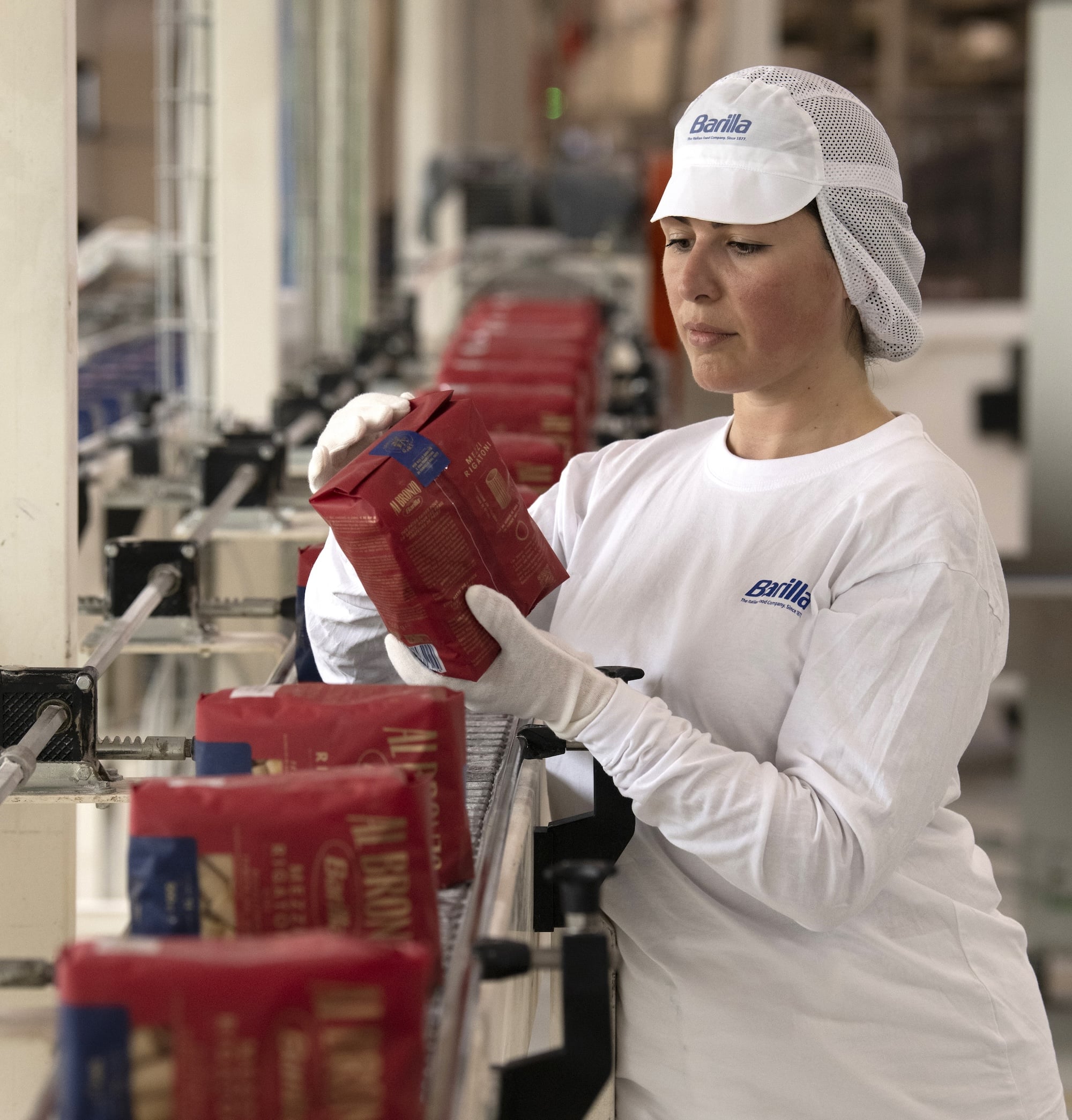
When we talk about quality, we mean more than just the goodness of our products. We’re talking about an approach that encompasses every stage of the production process, with food safety controls playing an essential role in building and maintaining the trust of the people who continue to choose us, year after year.
That is why we invest in prevention, scientific research and collaboration with suppliers, universities, research centres and experts who help us identify and manage risks before they even arise. Every year, we carry out around 650,000 analyses on raw materials and packaging materials, while more than 250 quality and food safety professionals oversee the supply chain, helping to monitor processes, ingredients and supplies.
At the same time, we are paying ever closer attention to the materials used to package our products. Today, 99.9% of our packaging is designed to be recyclable, a clear reflection of our determination to make our packaging increasingly circular, reducing its impact and promoting material recovery. At the same time, we are consistently working to increase our use of recycled raw materials: 52% of the materials we use to package our products come from recycled sources, rising to around 65% for our pasta sauce jars, for example.
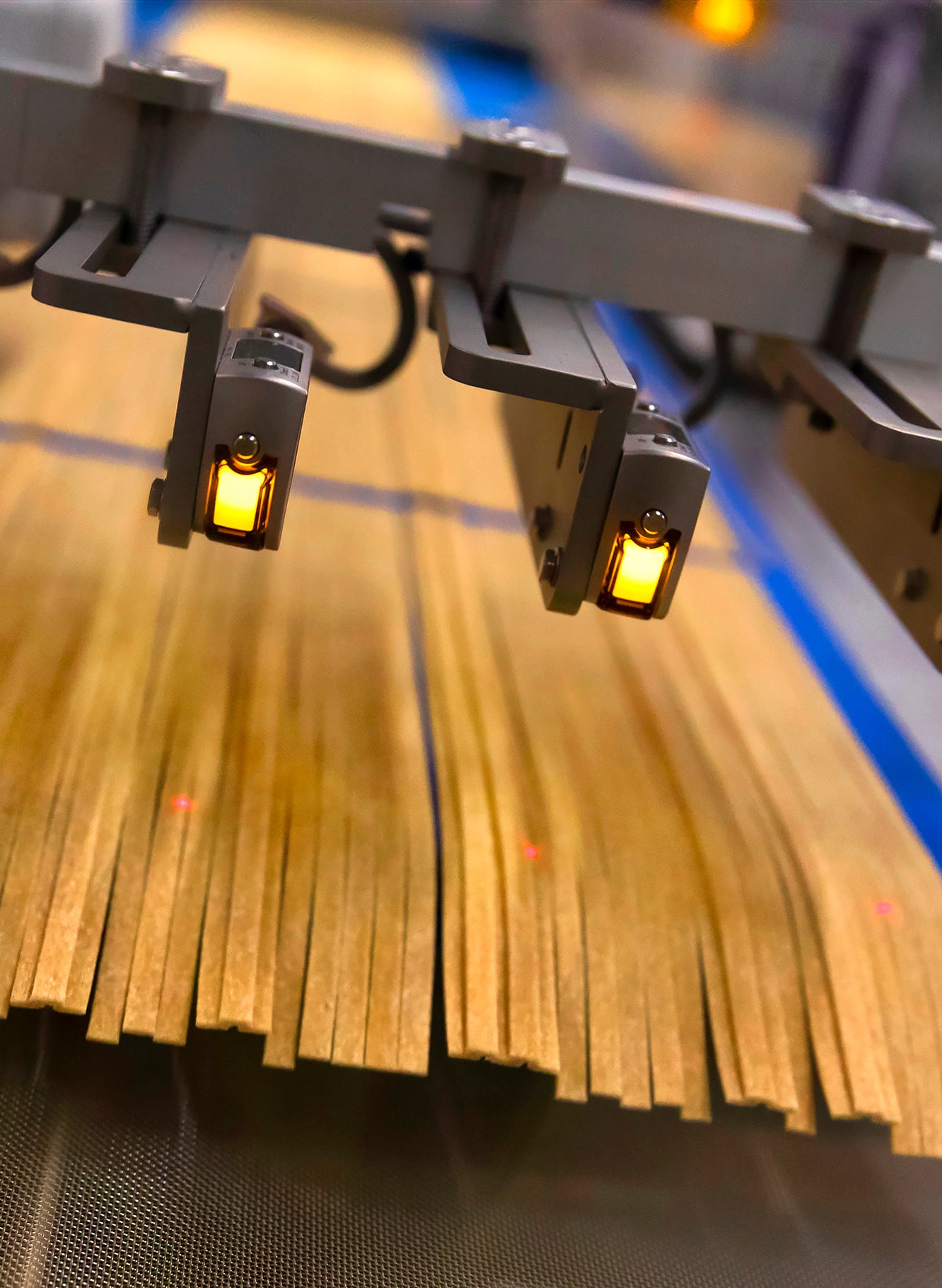
We are also making targeted changes to our packaging designs. One example is the redesign of Barilla tagliatelle packaging, which has allowed us to reduce its size, saving around 150 tonnes of cardboard and cutting transport-related emissions by 20%. These are just some examples of how packaging innovation can translate into choices that deliver benefits across the entire supply chain.
OUR SUPPLY CHAINS: BUILDING VALUE FROM THE GROUND UP
The quality of our products starts long before they are made. It begins in the fields, with the farmers’ expertise and our ability to build lasting relationships with everyone who contributes every day to supplying our raw materials.
Through Barilla Sustainable Farming (BSF), our programme for working across our four strategic agricultural supply chains – durum wheat, soft wheat, rye and basil – which we have been running since 2010, we promote farming systems that are more sustainable, efficient and resilient. The programme is based on our Sustainable Agriculture Code and translates its principles into practical measures through crop variety development, digital tools to support farmers and specific farming guidelines.
In 2025, through BSF, we sourced 816,000 tonnes of cereals and basil, working with almost 7,000 farmers. The model also involves assessing practices across our supply chains through monitoring activities, supplier assessments, targeted audits and, where necessary, corrective action. The practices we promote include, in particular, measures to improve soil health and the efficient use of agricultural inputs, such as crop rotation, minimum tillage, cover crops and the use of organic fertilisers. Through this approach, based on collaboration with farmers and the use of data and agronomic tools, we are working to make our supply chains more resilient and prepare them for the challenges of the future.
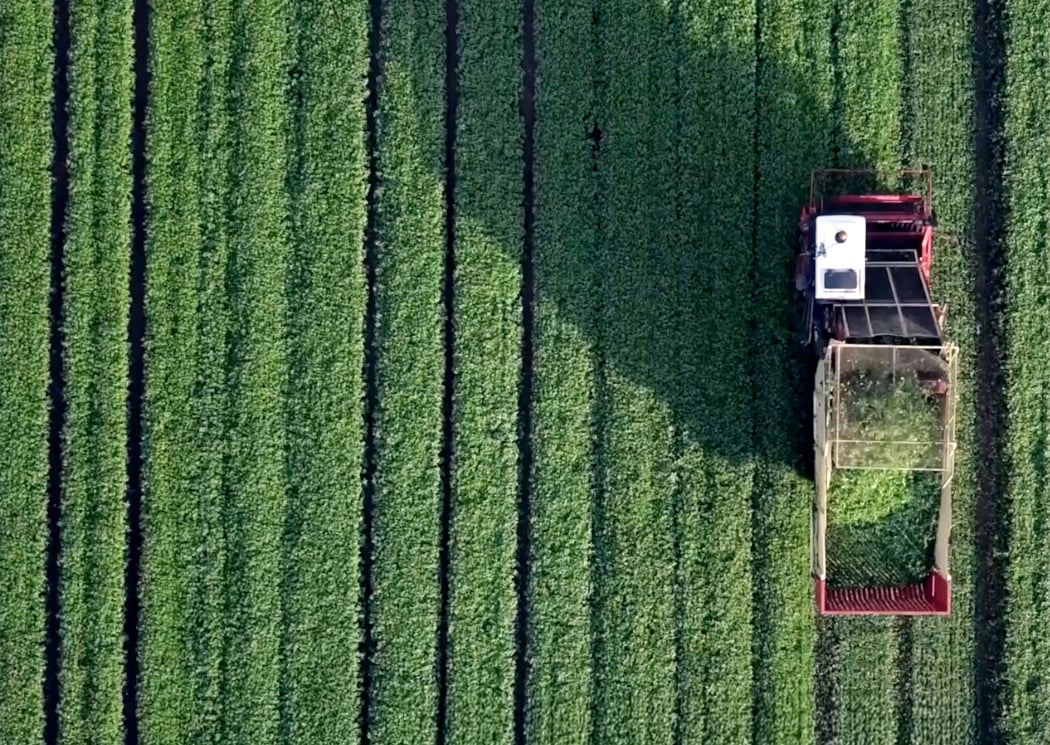
Finally, it is worth noting that we, too, have taken our first steps into the world of regenerative agriculture. While sustainable agriculture aims to reduce environmental impacts, regenerative agriculture places soil health and the surrounding ecosystem at the heart of farming practices. The most significant example of this evolution is Buongrano Mulino Bianco, which already uses soft wheat flour sourced from certified regenerative agriculture.
OUR PEOPLE (AND BEYOND): NURTURING AND CELEBRATING EVERY TALENT
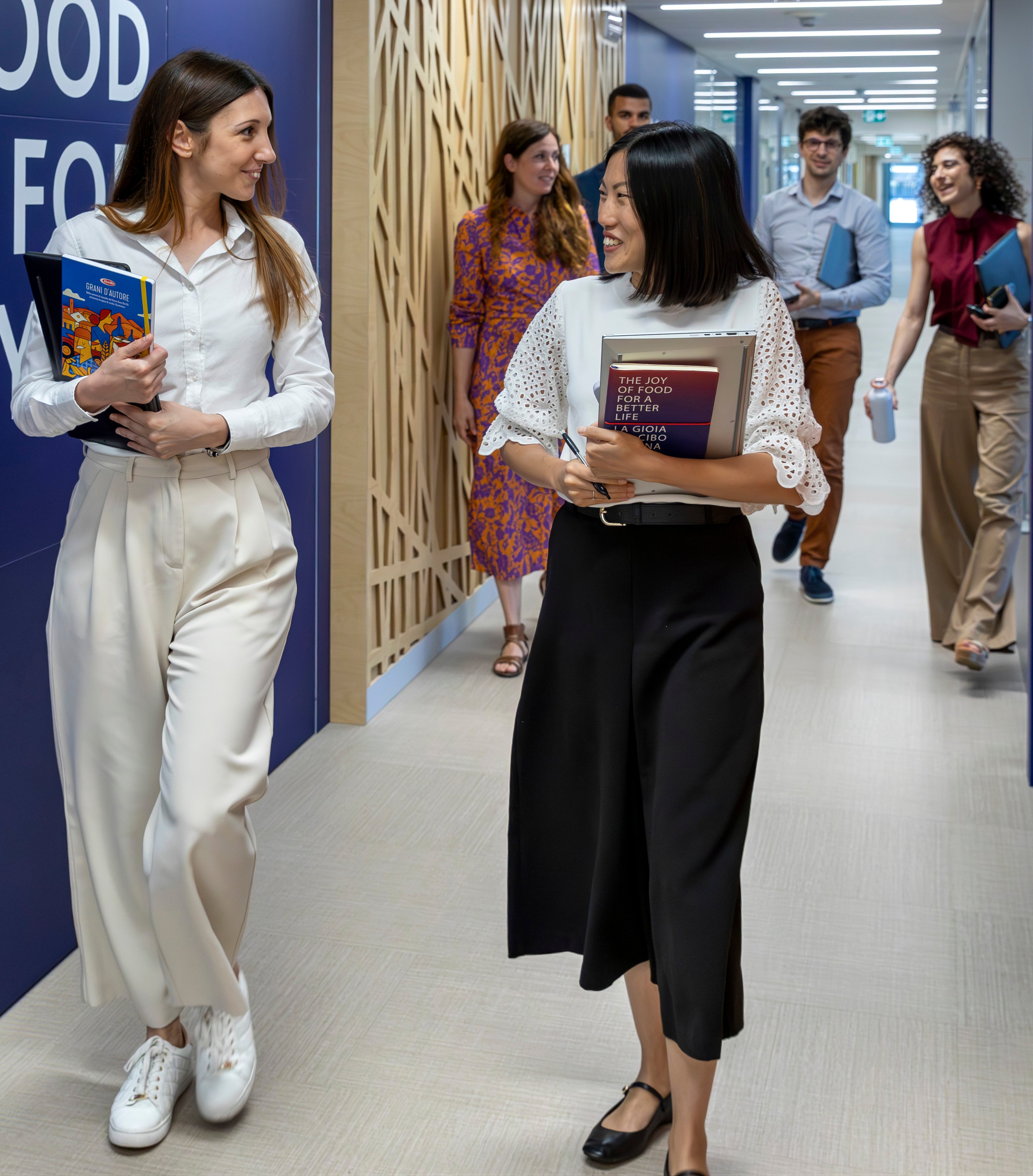
For us, putting people first means, above all, taking care of everyone who contributes to our Group every day, building increasingly safe and inclusive working environments where talent in all its forms can flourish. This commitment extends to everyday life in our plants and offices, but also reaches the communities with which we engage, driven by the belief that growth, well-being and inclusion are closely interconnected.
This approach is reflected in the work of the Fondazione Barilla School, established to provide opportunities for young people from disadvantaged socio-economic backgrounds. The programme offers a free eight-week cookery course, including accommodation, combining technical training, practical experience and personal support to help participants strengthen their skills and independence. 54 students took part between 2023 and 2025.
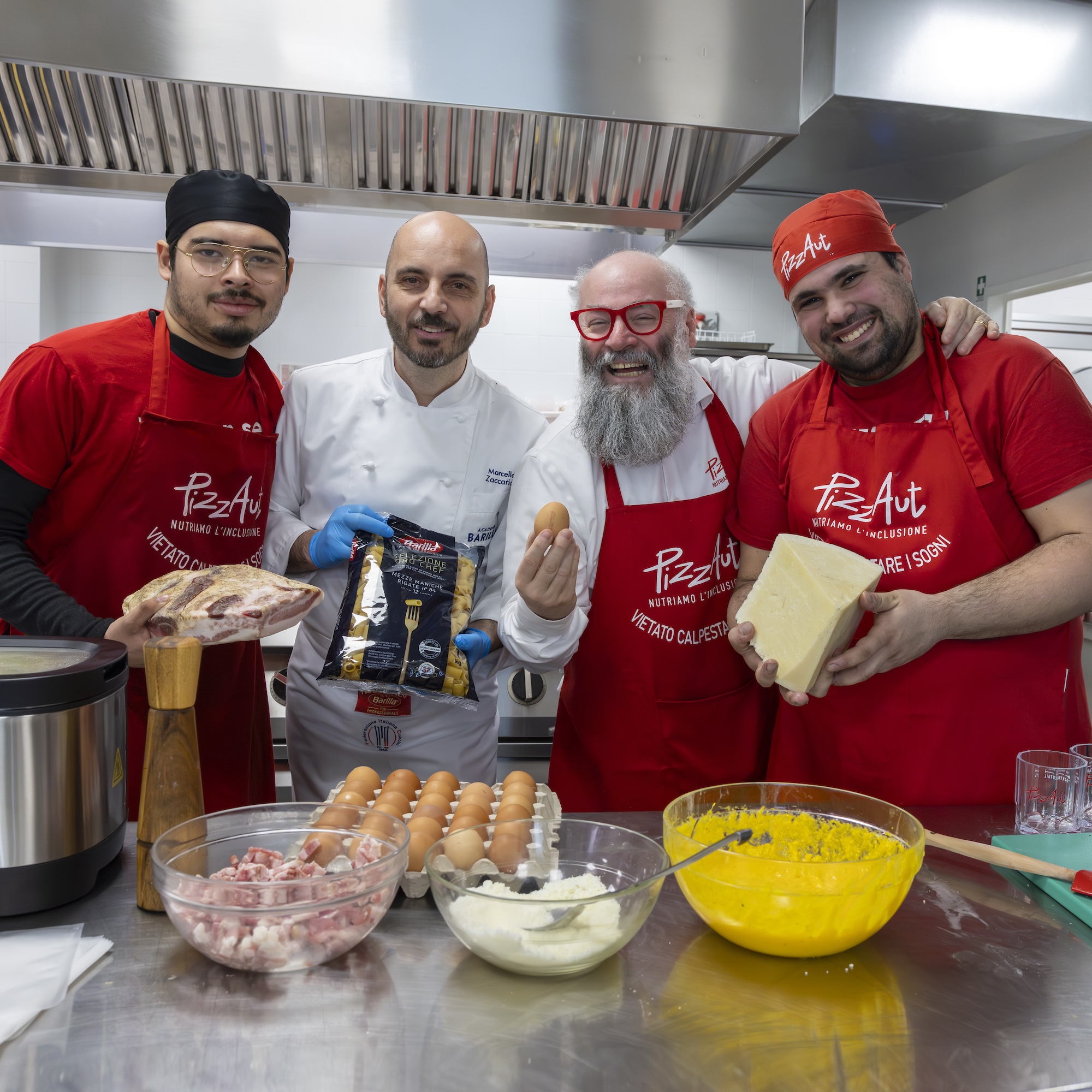
The same approach guides our commitment to inclusion. Working with Nico Acampora and PizzAut, a project created to provide employment opportunities and promote social inclusion for young people with autism, we developed PastAut, an initiative through which we have taken an active role in supporting the independence and professional development of young people with autism in a real working environment. In addition to supporting PizzAut’s two restaurants through donations of raw materials and financial contributions, the partnership has expanded to include the provision of professional equipment and structured training delivered by the chefs at Academia Barilla, who worked alongside the young people as they prepared and served a selection of pasta dishes.
Alongside these projects, we are also working to make inclusion a tangible reality across our workplaces. At our Foggia plant, for example, the IFun project has allowed us to develop programmes specifically for people with autism, alongside a range of other initiatives designed to support the well-being and participation of our employees.
Our commitment also extends beyond our organisation, to communities and people living in vulnerable circumstances. In 2025, we donated 4,000 tonnes of products and contributed €2 million to support social causes.
OUR APPROACH TO CLIMATE CHANGE: TURNING COMMITMENT INTO CONCRETE ACTION
Addressing climate change means taking action across complex processes involving energy, water, logistics, raw material sourcing and product design.
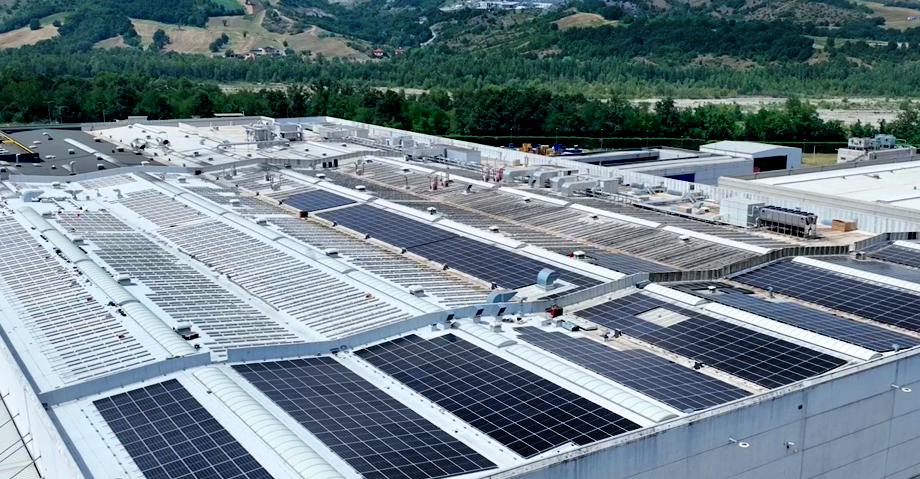
Today, 28 of our plants are certified to the international environmental management standard (ISO 14001), while 25 are also certified to the energy management standard (ISO 50001). In recent years, we have accelerated our drive towards greater energy efficiency and the wider adoption of renewable energy sources. In 2025, we reached an installed photovoltaic capacity of 8.3 MWp, continuing an investment plan aimed at strengthening the energy resilience of our production sites. Today, 52% of our electricity consumption comes from renewable sources. This achievement is also reflected in some of our brands: for the production of GranCereale, Pan di Stelle, Mulino Bianco, Wasa, Harrys and Barilla sauces, we already purchase electricity generated entirely from renewable sources.
Alongside energy, one of the most significant challenges concerns water management. Against a backdrop of growing pressure on water resources, we continue to develop solutions to reduce consumption and promote water reuse. In water-stressed areas, in 2025 we increased the volume of recycled and reused water by 196% compared with 2022, helping to preserve the areas in which we operate.
For us, however, the most important measure is not so much the results achieved, but our ability to build a model that is increasingly capable of creating long-term value for people and the planet.
LOOKING AHEAD TO 2030
The results presented on these pages are milestones on a journey that continues to evolve. As we have said, we are guided by our 2030 Sustainability Compass.
The results presented so far are milestones on a journey that continues to evolve. Guiding us on our journey towards 2030 is the Sustainability Compass – the strategic framework we use to define and monitor our Group’s sustainability targets, structured around four areas of action: products, supply chains, people and climate. This is where our commitments take shape as concrete and measurable goals.
On the products front, by 2030, we aim to increase the volume of products sold containing no more than 5 grams of sugar per serving to 90%, those containing a source of fibre to 95%, and single portions of bakery products containing no more than 150 kcal to 75%. For salt, the target is to maintain at 90% the volume of products containing no more than 0.5 grams per serving. Our supply chains also have clearly defined milestones: by 2030, we aim to source 250,000 tonnes of certified raw materials from regenerative agriculture, gradually expanding the adoption of practices focused on soil health and the resilience of agricultural systems.
For our people, we aim to achieve 40% representation of women in executive roles while maintaining pay parity. In terms of health and safety, our ambition is to achieve zero accidents across our plants and mills. On climate, our 2030 plan aims to increase our photovoltaic capacity to 24 MWp, increase the volume of recycled and reused water in water-stressed areas by 250% compared with 2022, and reduce greenhouse gas emissions in line with the targets validated by the Science Based Targets initiative (SBTi), the international initiative that supports companies in setting emissions reduction targets consistent with scientific evidence and the climate goals of the Paris Agreement.
These are ambitious goals that will require innovation, collaboration and a long-term vision. So, with the same perspective that has guided us for almost 150 years, we continue to look ahead, knowing that progress is built through continuous improvement and that the commitments we make today will shape the results we achieve tomorrow.
Related Stories
Discover what's cooking in our world