
Responsible supply chain and sustainable agriculture
We aspire to build responsible, resilient and long-term oriented supply chains, with the primary goal of ensuring the quality of raw materials through sustainable agricultural practices and sourcing methods that respect the environment, people, and animal welfare.
Our commitment begins on the farm
Responsible Supply Chain
At Barilla we are committed to responsible sourcing, requiring suppliers to comply with its Code of Ethics and corporate values. Barilla works alongside its partners to support the transition towards sustainable agriculture for our strategic raw materials, encourages innovation and ensures their long-term availability. By aligning efforts and ambitions, value is created not only for the business, but also for communities and the ecosystems that sustain them.
By 2030
250
of raw materials from regenerative agriculture.
Source: 2025 Sustainability Report, disclosure E5-3 (p. 100, 101).
The target relates to the raw materials belonging to the Barilla Sustainable Farming (BSF) promoted within Barilla’s supply chains. The complete reporting of commitments, actions and progress along the Group sustainability journey is available in the 2025 Sustainability Report
Sustainable agriculture
We collaborate with the supply chain to ensure the long-term availability of strategic raw materials, to reduce environmental impacts, to preserve biodiversity and aiming to generate social benefits for farming communities.
816
tons of raw materials from sustainable agriculture.
of which
4,160
tons of raw materials from regenerative agriculture.
Source: 2025 Sustainability Report, disclosure SBM-1 (p. 18-19); E1-3 (p. 58); E5-3 (p. 100, 101); E5-4 (p.104, 107).
The information and data contained in the report relate to Barilla Group for the period from 1st January to 31st December 2025, unless otherwise indicated. For information on the methodology, calculation criteria and reporting scope, please refer to the cited sections of the 2025 Sustainability Report,
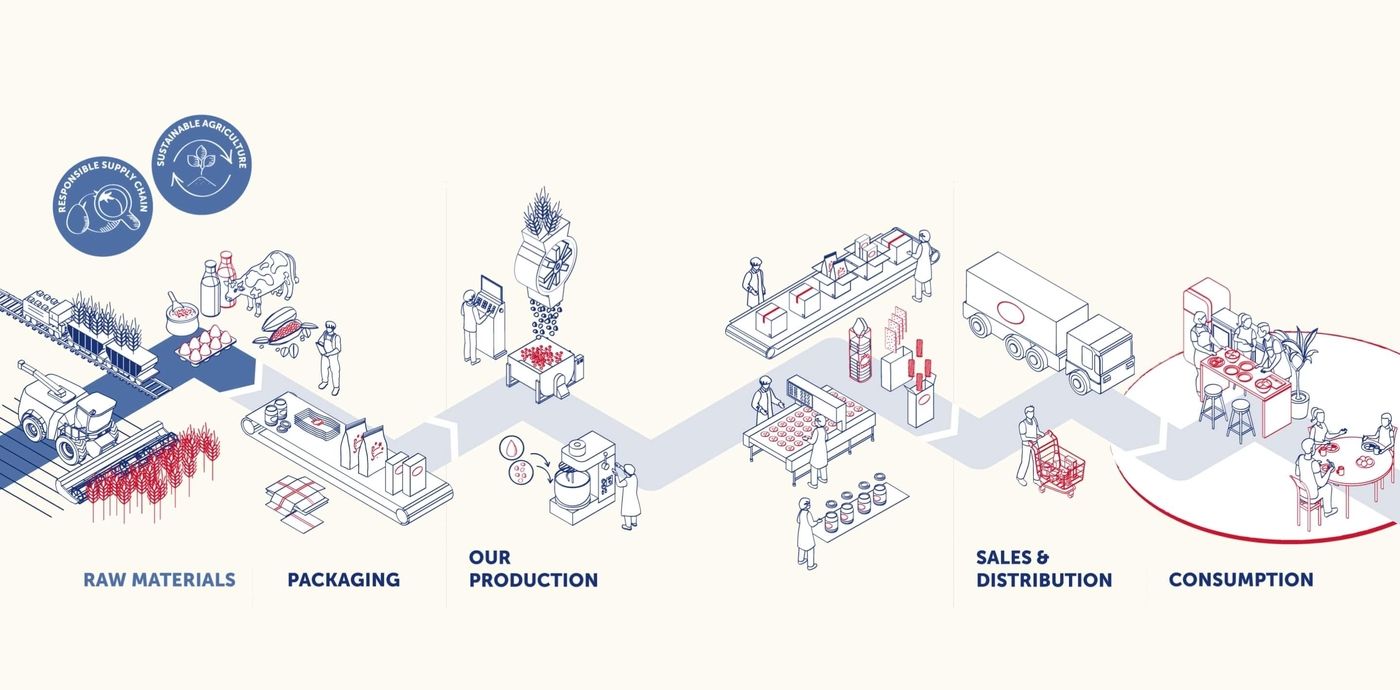
Quality and respect for ethical sustainability principles across supply chains
At Barilla we are committed every day to bringing the world joyful, balanced and wholesome food, inspired by the Italian lifestyle and the principles of the Mediterranean Diet. For many years, Barilla has promoted sustainable and integrated management across its supply chains, with a particular focus on agriculture and animal welfare. This commitment has taken shape through the creation of a Sustainable Agriculture Code, known as SAC, which defines the principles and approach to be followed. The SAC is implemented through the Barilla Sustainable Farming (BSF) programme, launched in 2010 as an operational tool to support the development of more resilient agricultural systems.

Animal welfare is key for us
We aim to ensure that all suppliers of raw materials of animal origin comply not just with legal requirements, but also with the highest animal welfare standards and criteria. For this reason, in collaboration with the organization Compassion in World Farming (CIWF), we have developed the Barilla Guidelines on Animal Welfare.
Responsible choices across the soft wheat supply chain
Improving the health of the soil is becoming central to the future of food. Through the evolution of the Carta del Mulino, and starting from a familiar Mulino Bianco biscuit, Buongrano, Barilla is working with farmers, researchers, and partners to introduce regenerative agricultural practices across the soft supply chain while safeguarding the quality of this ingredient.
256
tons of soft wheat cultivated under Carta del Mulino program.
4,159
tons of soft wheat cultivated under Carta del Mulino program from regenerative practises on Buongrano.
Source: 2025 Sustainability Report, disclosure E5-4 (p. 105).
The information and data contained in the report relate to Barilla Group for the period from 1st January to 31st December 2025, unless otherwise indicated. For information on the methodology, calculation criteria and reporting scope, please refer to the 2025 Sustainability Report
From the Sustainable Agriculture Code to the Barilla Sustainable Farming
Barilla has developed a structured approach to the management of its strategic supply chains, based on solid, transparent and collaborative relationships with all players in the agricultural sector. The Barilla Sustainable Farming represents the vision to improve the resilience of agricultural systems, by protecting natural capital and contributing to the development of farmers’ socio-economic conditions by generating shared value. The BSF is a system of sustainable agriculture that can accompany the transition to efficient and resilient production models.
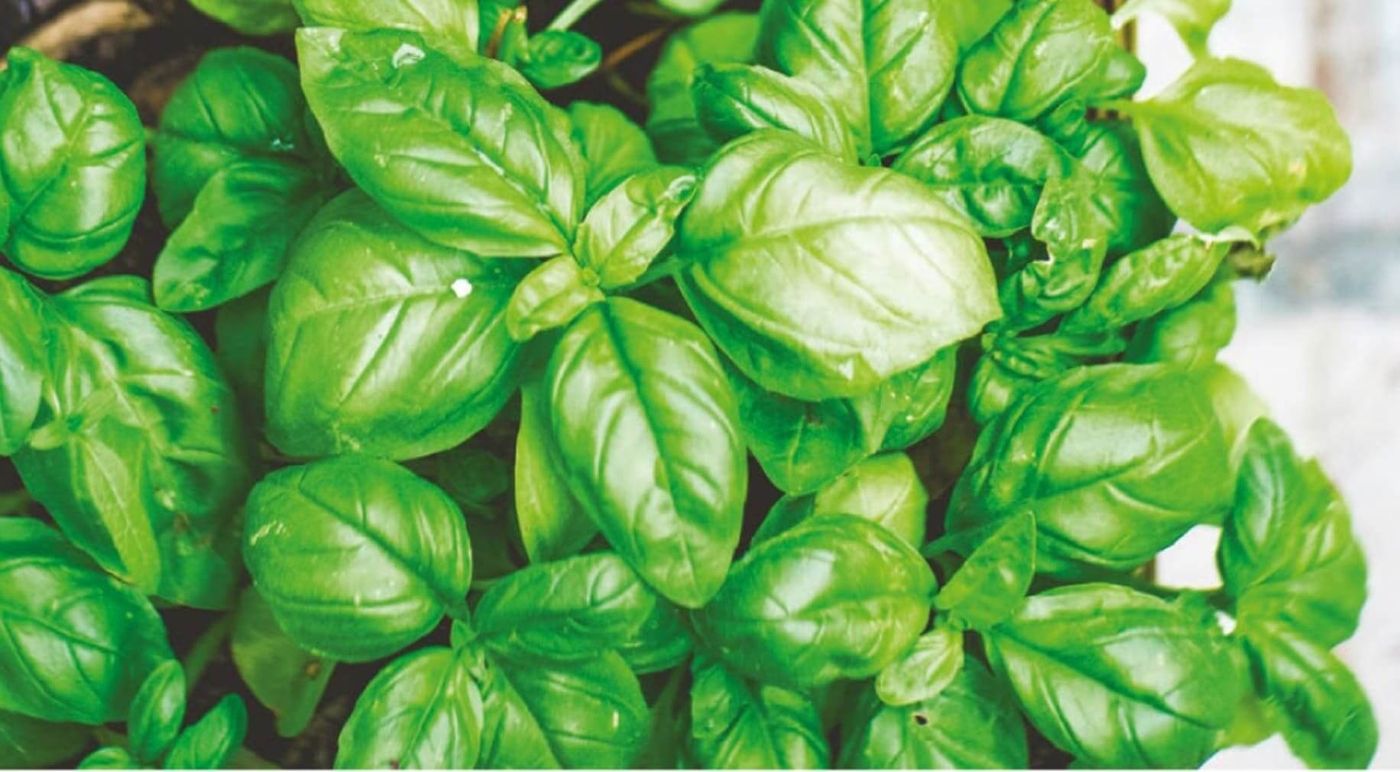
The Carta del Basilico
Aiming to reduce its environmental impact and to promote the sustainability of the supply chain, Barilla implements certified sustainable farming practices and introduced the Carta del Basilico to protect the land, the planet and the people involved in basil production.
The Charter establishes nine rules and recommendations integrating agronomic, qualitative and relational criteria, with particular focus on precision irrigation systems aimed at increasing efficiency and saving water use, crop rotation plans, soil biological quality monitoring and the creation of habitats for pollinating insects.
In 2025, 9,261 tons of basil were purchased, 99.5% SAC-compliant. Moreover, through the Carta del Basilico, Barilla supports ISCC PLUS–certified sustainable agricultural practices aimed at reducing water consumption and promoting more responsible water resource management throughout the entire supply chain.

Regenerative agriculture
Regenerative agricultural practices aim to proactively restore ecosystem functions and improve natural capital such as soil health, biodiversity and water. These practices not only focus on limiting environmental impacts but do contribute to requalifying the environment over time.
“Buongrano” represents the first concrete outcome of this transition pathway. Launched in October 2025, it is the first Mulino Bianco product made with flour sourced from certified regenerative agriculture. The programme is designed to progressively involve additional farmers and cultivated areas, supporting the gradual extension of regenerative practices across the Group’s agricultural supply chains.
Improving soil health and protecting biodiversity
At Barilla we encourage innovation and ensure their long-term availability. By aligning efforts and ambitions, value is created not only for the business, but also for communities and the ecosystems that sustain them. Techniques such as crop rotations and the creation of biodiversity areas help rebuild fertility, support pollinators and other useful insects and improve water cycles. One visible expression to this work is the soft wheat of a familiar Mulino Bianco biscuit: Buongrano.
100
of soft wheat flour from regenerative agriculture for the production of Buongrano biscuits.
-10
in CO₂equivalent emissions per year from the application of its Sustainable Farming Model.
2
hectares dedicated to biodiversity areas supporting pollinators and beneficial insects.
More than
40
pollinating insects recorded in monitored areas.
The information and data contained in the report relate to Barilla Group for the period from 1st January to 31st December 2025, unless otherwise indicated. For information on the methodology, calculation criteria and reporting scope, please refer to the 2025 Sustainability Report.
SUSTAINABILITY
Our way of doing business
Since 1877, we have been committed to offering quality food while promoting initiatives that support people and the environment, enriching and evolving this approach in relation to new knowledge that links the taste and goodness of our products to the way they are designed and manufactured, integrating what has long been defined as sustainability into our way of doing business